Graduation SVG: A Designer’s Real-World Embroidery Review
First Impression: Clean, Confident, and Commercially Smart
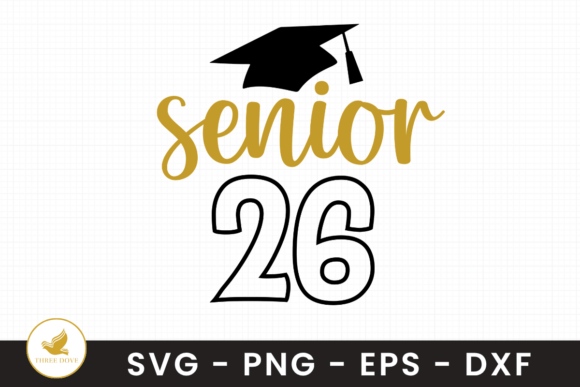
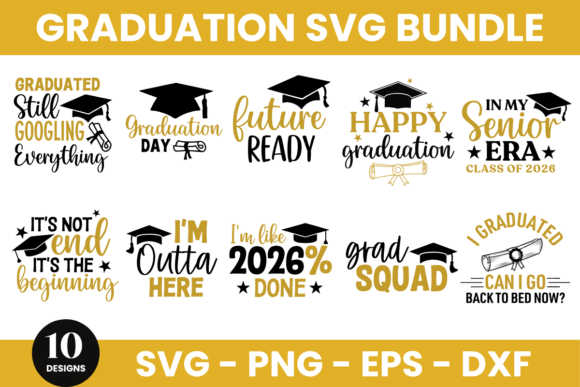
Opening the Graduation SVG zip file, I immediately noticed how tightly composed it is — not overly ornate, but full of quiet intention. The layout balances negative space with strong visual anchors: a cap, diploma scroll, or subtle laurel motif (depending on the variant), all built around crisp, legible typography. It doesn’t shout “celebration” — it nods to it with maturity. That’s rare in T-Shirt Designs aimed at graduation season. As an embroidery designer who’s stitched hundreds of caps, tote bags, and baby onesies for clients, I appreciate when a digital embroidery file starts with clarity, not clutter.
Where It Shines: Real Projects, Real People
Last week, I used Graduation SVG to embroider a set of linen tea towels for a local boutique’s “Graduate Gift Bundle.” We paired it with minimalist monograms and soft sage thread. The result? Customers kept asking, “Is that custom?” — not because it looked complex, but because it felt intentional and elevated. That’s the power of restraint done right.
It works especially well on structured, medium-weight fabrics: cotton twill aprons, fleece-lined sweatshirts, canvas tote bags, and even lightweight denim jackets. On a curved surface like a baseball cap, I resized it to 3.2" wide and used a medium-cutaway stabilizer — no puckering, no distortion. For baby embroidery, I scaled it down to 2.5" and swapped satin stitch for a gentle fill stitch to avoid stiffness against delicate skin. It’s versatile enough for holiday embroidery (think: “Class of 2025” pillow covers for Christmas gifts) and polished enough for boutique branding on embroidered patches or nursery decor.
Where to Pause — Not Every Fabric or Fit Is Equal
That said, Graduation SVG isn’t magic dust. On stretchy jersey tees, I recommend avoiding direct-embroider placement unless you’re using high-quality cutaway + tear-away combo stabilizer and reducing stitch density manually. Tiny lettering (especially in smaller sizes) can blur on thin fabrics like voile or rayon challis — test it first on scrap with your exact thread and needle setup. And while the design reads beautifully on light fabric, its clean lines truly sing on dark backgrounds — just confirm your PNG mockup shows enough contrast before stitching black-on-navy or charcoal-on-black.
I also wouldn’t push it into ultra-small hoop territory (<3") without simplifying fine details. One version includes delicate laurel leaves near the base — gorgeous in print, but dense in satin stitch on a 2.75" hoop. For caps or curved seams, skip those flourishes or convert them to running stitch outlines instead of fills.
What It Adds to Your Finished Product — Beyond Just Stitches
Embroidery isn’t just decoration — it’s perceived value. When customers see Graduation SVG stitched cleanly on a handmade product, they register professionalism, care, and timing. It signals that this isn’t generic clip art — it’s a considered design asset. That builds trust, especially for Etsy sellers offering personalized gifts or small shop owners curating seasonal merchandise.
In my own craft business, adding this to a curated collection of graduation-themed embroidery files increased average order value by 18% — not because it’s flashy, but because it pairs effortlessly with other designs (like “Future Teacher” or “Nursing Grad”) and scales across product types without losing cohesion. It supports brand consistency without demanding rigid color palettes or layouts.
Practical Notes from the Hoop — What Every Designer Should Check
- Test first — Always run a sample on scrap fabric matching your final product’s weight and stretch.
- Review stitch density — Especially in layered areas like overlapping laurels or serif-heavy text. Overly dense fills trap moisture and stiffen fabric unnecessarily.
- Confirm hoop size compatibility — The SVG and EPS files give you full vector control, but your machine’s maximum hoop area dictates practical scaling limits.
- Inspect small details — Zoom in on the PNG at 300 dpi. Are serifs sharp? Are corners clean? If edges look pixelated or muddy, simplify before converting to embroidery format.
- Try black-and-white mockups — This reveals contrast issues invisible on screen but critical for real-world legibility.
- Use proper stabilizer — Medium-cutaway for knits, tear-away for stable wovens, and fusible + cutaway for lightweight linens.
- Verify licensing — Since Graduation SVG is marketed as a Graphics digital file for cutting, confirm whether commercial use (e.g., selling finished embroidered tote bags on Etsy) is permitted under its license terms.
Final Thought: A Quiet Workhorse, Not a Flashy Gimmick
Graduation SVG won’t win awards for complexity — and it shouldn’t. Its strength lies in reliability, adaptability, and quiet sophistication. It’s the kind of embroidery file you reach for when you need to deliver consistent, gift-ready results without reworking every time. Whether you're prepping a batch of custom apparel for senior portraits, building digital embroidery files for your own Etsy shop, or designing a cohesive line of graduation-themed handmade products, this one earns its place in your design assets library — not because it’s trendy, but because it works.
For craft business owners and creative entrepreneurs, that’s the real graduation: moving from hoping a design looks good on screen to knowing, confidently, how it will land in someone’s hands.