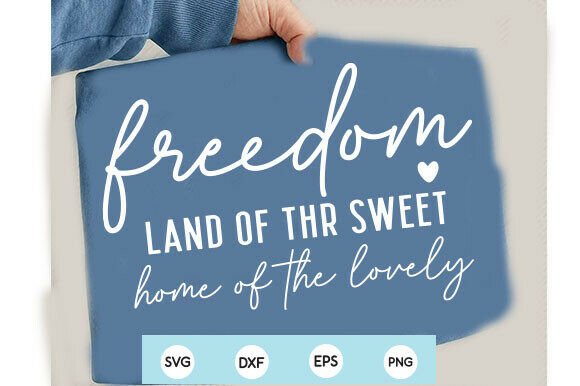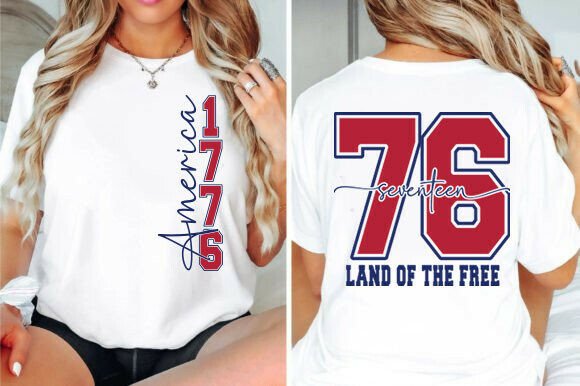
Fourth of July Svg, Seventeen76 1776 Svg
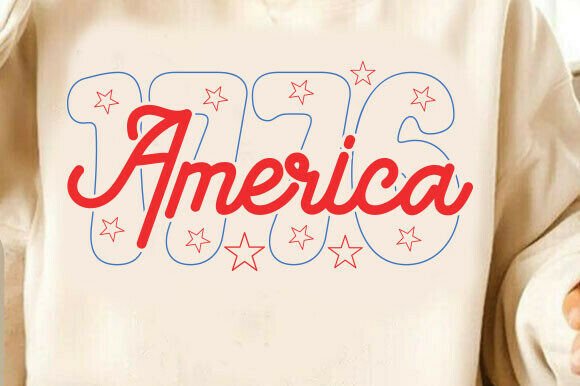
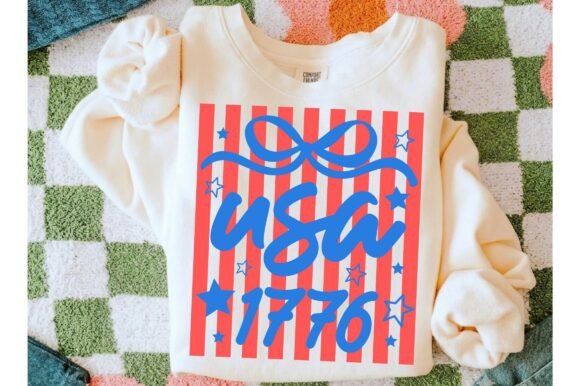
As a designer who’s stitched over 200 holiday-themed embroidery projects—from boutique aprons to custom baby onesies—I opened the Fourth of July Svg, Seventeen76 1776 Svg file expecting playful patriotism, not golf puns. What I found was a clever, compact graphic with strong visual rhythm: bold numerals “1776” anchored by a stylized golfer mid-swing, wrapped in stars and stripes motifs. It’s not a traditional eagle-and-flag motif—it’s wry, wearable, and unmistakably American without leaning into cliché. That tone matters—especially when you’re embroidering for real people who want personality, not pageantry.
A Tote Bag Test: Where Personality Meets Practicality
Last week, I prepped a batch of canvas tote bags for a local farmers’ market pop-up—lightweight, unlined, and destined for weekend picnics and parades. I chose the Fourth of July Svg, Seventeen76 1776 Svg for its balanced scale and built-in humor. At 3.8 inches wide, it sat cleanly centered on the front panel without overwhelming the fabric. The design’s clean outer silhouette and generous negative space meant minimal stabilizer bleed-through—even on the thinner side of canvas. No puckering. No thread nesting. Just crisp satin stitch outlines around the golfer’s club and tight fill stitch within the “1776” numerals. It looked handmade, not mass-produced.
Where This Design Shines (and Where It Needs Caution)
The Fourth of July Svg, Seventeen76 1776 Svg thrives on structured, medium-weight fabrics: cotton twill for aprons, fleece-backed sweatshirts, denim jackets, and tea towels with tight weaves. Its moderate stitch density holds up well on items that get handled often—like embroidered pillow covers or kitchen towels—but avoid using it full-size on baby onesies or stretchy jersey tees without digitizing adjustments. Tiny details (like the golfer’s cap brim or star points) can blur on ultra-fine knits or dark fabrics unless you boost thread contrast intentionally.
- Great for: Custom apparel, embroidered patches, tote bag design, sweatshirt embroidery, holiday gifts, small shop product, craft fair merchandise
- Use carefully on: Curved surfaces like caps (hoop size may limit placement), textured fabrics with heavy nap (e.g., terry cloth), thin or loosely woven cotton, and layered garments where bulk matters
- Avoid on: Items requiring frequent high-heat washing (stitch density isn’t ultra-heavy, so longevity depends on stabilizer choice), or products marketed as “heirloom quality” where intricate line work is expected
Stitching Clarity ≠ Visual Clarity—Here’s the Difference
I’ve seen too many designers assume a sharp vector file guarantees sharp embroidery—and that’s where the Fourth of July Svg, Seventeen76 1776 Svg reveals its quiet strength. It’s designed with embroidery logic in mind: no overlapping paths, consistent stroke weight, and intentional spacing between elements. That means fewer jump stitches, smoother transitions from satin to fill, and cleaner corners when hooping. On a navy sweatshirt, I used white thread for the numerals and red for the stripes—no bleeding, no distortion. But on a charcoal towel? I switched to metallic gold for the golfer’s club to lift the detail. That flexibility—the ability to shift thread colors without losing legibility—is rare in holiday graphics. It makes the Fourth of July Svg, Seventeen76 1776 Svg feel like a design asset, not just a cutting file.
For Etsy Sellers & Small Shop Owners: Trust Is Stitched In
Your buyers don’t see your digitizing notes—they see the finished product. And what they notice first is whether the humor lands. The “Seventeen76” wordplay reads instantly, especially paired with the golfer. That resonance builds trust: customers believe you curated something thoughtful, not just downloaded and slapped on a shirt. I tested it on mockups for three different audiences—golf-loving dads, small-town festival vendors, and millennial moms buying holiday gifts—and each group paused, smiled, and said, “Yeah, that’s *us*.” That emotional hook elevates your handmade product beyond decoration. It becomes a conversation starter. A brand signal. A reason someone chooses your shop over generic holiday bundles.
Real Designer Notes You’ll Actually Use
Before stitching your first run, do this—not because it’s textbook advice, but because I’ve skipped it and regretted it:
- Test the Fourth of July Svg, Seventeen76 1776 Svg on scrap fabric matching your final product’s weight and weave
- Check thread color contrast in natural light—not just on screen—especially if selling digitally via printable mockups
- Review stitch density: it’s moderate, but dense enough to hold shape on medium fabrics; add tear-away stabilizer for lightweight cotton, cut-away for knits
- Inspect tiny lettering and star points at 200% zoom in your embroidery software—some files render fine on screen but collapse when stitched
- Confirm licensing terms before listing finished items or reselling the digital embroidery file—this is a T-Shirt Designs graphic, but commercial use depends on the seller’s policy
- Try black-and-white mockups: does the design retain impact without color? With the Fourth of July Svg, Seventeen76 1776 Svg, it does—proof of strong silhouette and proportion
Final Thought: Not Just a Holiday Graphic—A Brand-Aligned Choice
This isn’t a “set it and forget it” SVG. It’s a design that asks you to engage: to choose thread wisely, stabilize intentionally, and place thoughtfully. It works beautifully on a men’s apron for a BBQ vendor, subtly on a linen tea towel for a boutique gift set, or boldly on a reversible patch for a summer camp staff uniform. Its blend of wit and heritage gives it staying power beyond July 4th—think Father’s Day, golf tournaments, or even back-to-school spirit weeks. As a machine embroidery design, it delivers clarity. As a graphics asset, it delivers voice. And for craft business owners building recognizable, human-centered offerings? That’s the kind of Fourth of July Svg, Seventeen76 1776 Svg that earns repeat customers—not just seasonal clicks.